
White-label vs. third-party ticketing: the brand, data, and revenue trade-offs organizers must weigh
Most ticketing platforms limit how much you control your brand and customer data. That control directly affects your revenue, marketing power, and event growth. Choosing between white-label ticketing and third-party ticketing isn’t just a technical decision—it shapes your entire event strategy. In this post, you’ll learn which option gives you the edge in brand control, data ownership, and revenue optimization so you can make the best choice for your events. For more information, check out this article.
White-Label vs. Third-Party Ticketing

Let’s explore two popular ticketing strategies that can make or break your event. Understanding the differences is crucial to maximizing your brand’s potential.
Defining White-Label Ticketing
White-label ticketing allows you to present ticket sales under your own brand. It’s like putting your name on every ticket. This means you control how your brand looks, feels, and interacts with your audience. When attendees buy tickets, they see your logo, not someone else’s. This approach is ideal for maintaining a consistent image across all customer touchpoints.
Another benefit is data control. With white-label solutions, you own your customer data. This lets you tailor marketing efforts and understand your audience better. Since data is not shared with third parties, you can ensure privacy and security. Learn more about the benefits of white-label solutions here.
Exploring Third-Party Ticketing
Third-party ticketing involves using platforms that manage ticket sales on your behalf. These platforms are often user-friendly and quick to set up, which can be appealing for small events or organizers with limited resources. However, your brand takes a backseat. The ticketing company’s name is front and center, which can dilute your brand## White-Label vs. Third-Party Ticketing
Choosing a ticketing platform is crucial for your event’s success. It impacts your brand’s visibility and control. Let’s explore what makes white-label and third-party ticketing different so you can decide which best meets your needs.
Defining White-Label Ticketing
White-label ticketing offers a tailored experience. You can customize the ticketing process to reflect your brand’s identity. This means your logo, colors, and style are front and center. When attendees purchase tickets, they interact with your brand, not a third party. This seamless integration can make your event look more professional and trustworthy.
Another key benefit is data ownership. With white-label solutions, you own the customer data. This data is invaluable for marketing and future event planning. Access to this information allows you to understand your audience better and tailor your strategies to their needs. In contrast, with third-party platforms, you often lose access to this critical data, making it harder to build a lasting customer relationship.
Exploring Third-Party Ticketing
Third-party ticketing platforms are the more traditional route. These platforms handle everything ticket-related, often at the expense of your brand’s visibility. When your attendees buy a ticket, they see the third-party’s branding instead of yours. While this might seem like an easy option, it can dilute your brand’s impact.
The upside is that third-party platforms can handle complex processes for you. They manage transactions and customer support, allowing you to focus on other event details. But the trade-off is significant: limited customization and control over pricing and branding. You also share customer data with the platform, which can be a major drawback if you aim to use this data for personalized marketing.
Key Differences and Considerations
So, what are the main differences? White-label ticketing gives you control and brand visibility. You can customize the experience and keep valuable customer data. However, it requires more initial setup and management. Third-party platforms offer convenience and less hassle but at the cost of brand dilution and data access.
Consider your priorities. If brand identity and data are crucial, white-label might be the way to go. If ease and simplicity are more important, a third-party solution could suit your needs better. Understanding these differences will help you make an informed decision that aligns with your event goals. For more insights, check out this resource.
Brand Control and Data Ownership

Brand control and data ownership are pivotal in shaping your event strategy. Let’s dive into how each ticketing option influences these aspects.
Maintaining Brand Identity
When you maintain control of your brand, you ensure every interaction with your customers reflects your vision. White-label solutions allow you to embed your brand into every step of the ticketing process. This control can enhance trust and loyalty among your attendees. In contrast, third-party platforms often overshadow your brand with theirs, which can confuse customers about who they are interacting with.
Consistency is key. Imagine your attendees seeing a cohesive brand message from the first ticket purchase to the event’s conclusion. This consistency strengthens your brand image and can lead to increased customer retention. With white-label ticketing, you craft that consistent experience.
Full Ownership of Customer Data
Owning your customer data provides valuable insights into your audience. It allows you to tailor your marketing efforts and create more targeted campaigns. With white-label solutions, this data stays with you, offering a competitive edge in understanding and reaching your audience.
Third-party platforms typically retain this data for themselves. This can limit your ability to engage directly with your audience post-event. Data ownership is not just about privacy; it’s about building better relationships with your customers. By keeping control of this data, you enhance your event’s long-term success.
Comparing Data Security Measures
Data security is a top concern for any event organizer. White-label platforms like TicketSocket offer advanced security measures tailored to your needs. You have control over how data is stored and managed, reducing the risk of breaches. On the other hand, third-party platforms have their security protocols, but you have less control over their effectiveness.
The peace of mind that comes with secure data handling cannot be overstated. Investing in a platform that prioritizes security means you’re not just protecting your customers, but also your brand’s reputation. For further information on data security, see this article.
Revenue Impact and Growth Opportunities
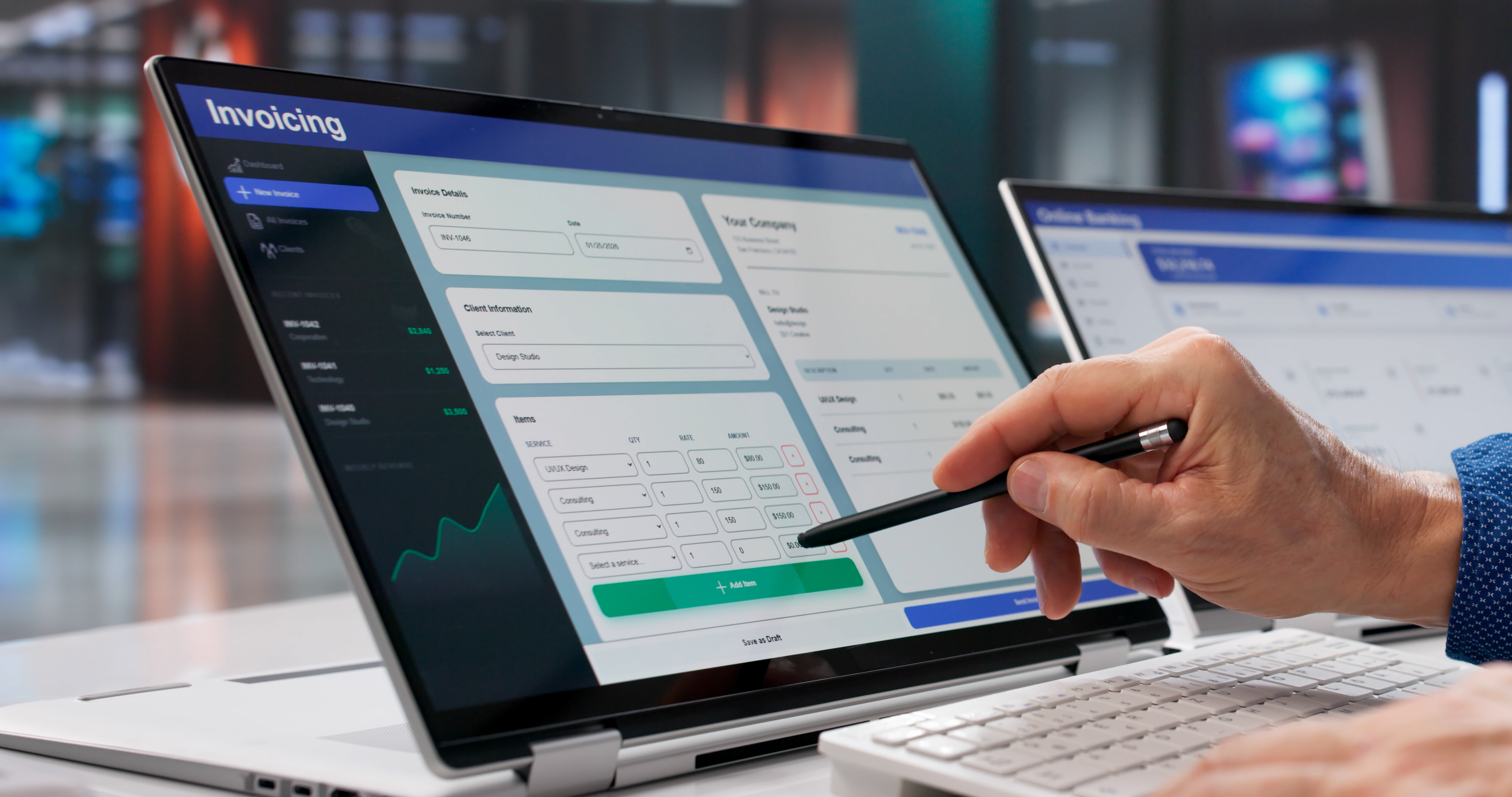
Your choice in ticketing platforms also affects your revenue and growth potential. Let’s examine how.
Dynamic Pricing and Revenue Optimization
White-label platforms enable dynamic pricing strategies tailored to your event needs. You can adjust prices based on demand to maximize revenue. This flexibility allows you to capture more value from your events compared to fixed pricing models common with third-party platforms.
Dynamic pricing isn’t just about revenue. It’s a tool to increase attendance by offering early bird specials or last-minute deals. These strategies can significantly boost your bottom line and provide greater control over your event’s financial success.
Service Fees and Conversion Rate
Service fees can be a hidden cost that impacts your event’s profitability. With white-label solutions, you control these fees, deciding how to apply them and to whom. This transparency can improve conversion rates, as attendees appreciate knowing what they’re paying for.
Third-party platforms often require you to accept their fee structures, which can lead to higher costs for attendees and potentially lower sales. Taking control of service fees can lead to a better ticketing experience for your customers and higher conversion rates for your event.
CRM Integration and Upsells
Integrating a CRM with your ticketing platform can unlock significant growth opportunities. White-label solutions typically offer seamless CRM integrations, allowing you to upsell and cross-sell more effectively based on customer data.
With third-party platforms, integration options may be limited or require additional costs. This can hinder your ability to personalize marketing efforts or engage in sophisticated upselling. By choosing a white-label solution, you ensure your platform can grow with your ambitions, enhancing both revenue and customer satisfaction.
In conclusion, understanding the trade-offs between white-label and third-party ticketing options is key to optimizing your event strategy. Prioritize brand control, data ownership, and revenue potential to ensure your event’s success. For more guidance, explore this resource.