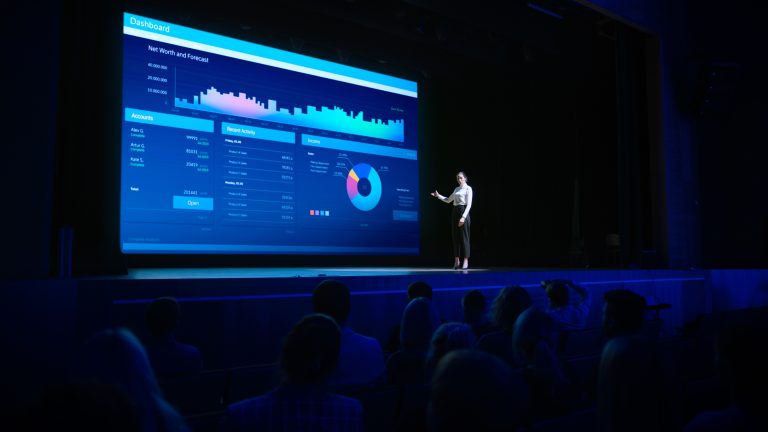
Own Your Audience: The Critical Role of Data Privacy and Ownership in Modern Event Management
Most event organizers hand over their audience data to third parties without a second thought. That means losing control over who buys tickets, how you market, and even your revenue potential. Owning first-party data for events isn’t just about compliance—it’s the key to securing your brand, protecting customer privacy, and driving smarter decisions with event analytics and reporting. Let’s explore why data privacy in event management must be your top priority. For more insights, check out this comprehensive guide on event data privacy and legal compliance.
Importance of Data Privacy

In today’s digital age, ensuring data privacy is crucial for event organizers. It’s not just about legal compliance; it’s about maintaining trust and control over your audience’s information.
Data Privacy in Event Management
When you manage events, safeguarding personal data becomes a significant responsibility. Imagine your attendees’ details being misused. It could damage your reputation and breach trust. This is why protecting data is vital. It ensures your audience feels secure, knowing their information is handled responsibly. Moreover, managing data privacy proactively can set your event apart, showing attendees you prioritize their safety and privacy. For more on data security, explore this guide on data privacy in events.
GDPR for Event Organizers
The General Data Protection Regulation (GDPR) impacts how you manage data in events, especially if you have attendees from the European Union. It mandates strict guidelines on how information should be collected and processed. Non-compliance can lead to hefty fines. Therefore, understanding GDPR is crucial. It empowers you to handle data with care, ensuring transparency and accountability in every event. Learn more about navigating global data privacy.
CCPA Compliance in Events
The California Consumer Privacy Act (CCPA) is another regulation event organizers must consider. It grants California residents more control over their personal information. As an event organizer, ensuring compliance means respecting attendees’ rights to know how their data is used. Adopting CCPA practices not only helps avoid penalties but also enhances trust with your audience. Compliant events tend to see higher engagement and loyalty.
Control Over Event Data

Taking control of your event data is more than a compliance measure. It’s about empowering your brand and ensuring the longevity and success of your events.
First Party Data for Events
Owning first-party data means you directly collect information from your attendees. This data is a goldmine for understanding your audience better. It allows you to tailor experiences, improve marketing strategies, and boost ticket sales. By harnessing first-party data, you enhance your event’s performance and stand out in a competitive market. Most people think third-party data is necessary, but owning your data gives you unprecedented insights.
Event Data Ownership Essentials
Owning your event data is essential for several reasons. First, it gives you complete control over your branding and customer interactions. Second, it ensures your data isn’t shared with competitors. Third, it helps in creating personalized experiences for your attendees. Remember, your data is your asset. Protecting it means safeguarding your event’s future success.
Securing Customer Data Ownership
When you secure your customer data, you’re not only complying with laws but also building a foundation of trust. Use robust security measures like encryption and access controls to protect this data. By doing so, you reassure your attendees about their privacy, fostering loyalty and repeat attendance.
Enhancing Ticketing Strategies
Revolutionize your ticketing approach by adopting strategies that empower your brand and maximize revenue potential.
White Label Ticketing Advantages
White label ticketing offers event organizers the power of customization. You can tailor the ticketing experience to reflect your brand, ensuring consistency across all customer interactions. This approach not only enhances brand recognition but also builds trust with your attendees. It allows you to own the entire customer journey, from ticket purchase to event attendance.
API Ticketing Integrations
Integrating API ticketing solutions can significantly streamline your event operations. APIs provide flexibility, allowing you to connect various systems and automate processes. This integration enhances efficiency by reducing manual tasks, enabling you to focus more on delivering exceptional events. For more insights on data integration, explore this resource on event data management.
Dynamic Pricing for Events
Dynamic pricing adapts ticket prices based on demand, maximizing revenue. By analyzing trends and audience behavior, you can adjust prices in real-time. This strategy not only increases sales but also optimizes attendance rates. Implementing dynamic pricing shows you are responsive to market demands, giving your events a competitive edge.
By prioritizing data privacy, controlling your event data, and enhancing ticketing strategies, you set the stage for successful and sustainable event management. Implement these strategies to empower your brand, ensuring each event is a memorable and secure experience for your attendees.